-
- April 23, 2026 / 11 a.m. to noon
- Add to mobile calendar
- Add to Google calendar
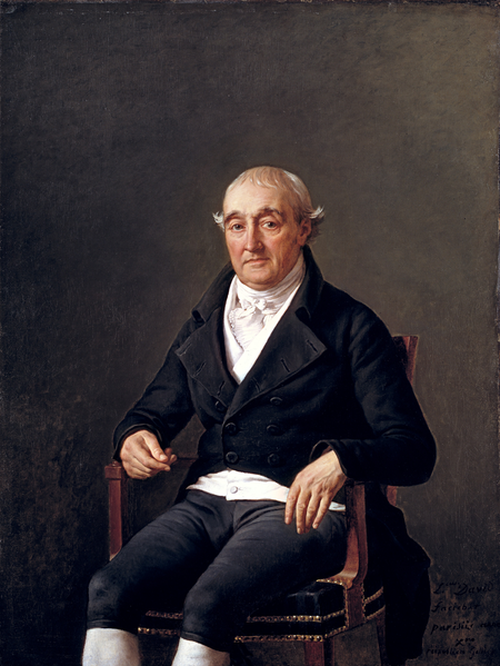
Art in France at the beginning of the 19th century ran along the axis of revolution. After the fall of Louis XVII in 1793, the Academy no longer held a firm grip on artistic production. Artists responded to social upheaval with growing creative innovation. The French Enlightenment further expanded developments in art. Jacques-Louis David, master of Neoclassicism, ushered in the first of several “isms” that defined France’s influence across Europe. As Neoclassicism waned, painters such as Eugène Delacroix and Théodore Géricault turned to Romanticism.
This style featured rich color, powerful emotion, and exotic themes. By the mid-19th century, artists like Gustave Courbet and Jean-François Millet focused on the everyday struggles of working people, often depicting peasants in the fields. Later in the century, Impressionism took hold. Claude Monet and Camille Pissarro used looser brushstrokes and experimental approaches to color and light to create masterpieces beloved today. These artists and others will be discussed in this docent-led virtual talk.

Note that you will be muted upon entry and that this talk is being recorded as well as live-streamed. Please save all questions for the end.

✥ ✥ ✥ ✥ ✥
You can find all of our previous Virtual Talks on our Facebook Page (@timkenmuseum). If you would like to support the continuation of our free tours and education programming, please consider donating to the Timken Museum of Art at https://www.timkenmuseum.org/join-support/your-giving/.