-
- July 23, 2026 / 11 a.m. to noon
- Add to mobile calendar
- Add to Google calendar
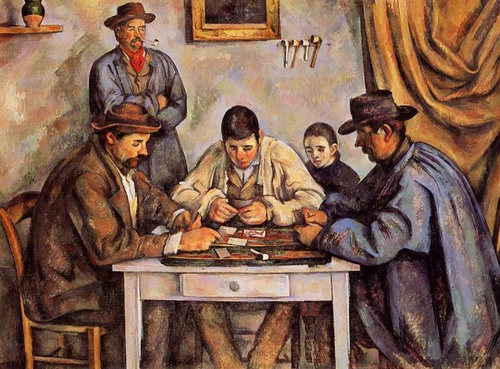
Post-Impressionism was primarily a French art movement, which emerged around 1886. This coincided with the last Impressionist exhibition and ended approximately in 1905, with the advent of Fauvism. Post-Impressionism developed as a reaction to the Impressionists focus on the naturalistic depiction of color and light. In the art of George Seurat for example, there was a concentration on scientifically oriented theories about color and form. Paul Gauguin however, was engaged in creating lush symbolism in his paintings. Regardless of the artist, the Post-Impressionists were intent on portraying the subjective vision of each painter. Van Gogh's work definitely became a forerunner to Expressionism, while Cezanne experimented with the fracturing of the picture plane. The movement therefore brought in an era of painting which transcended its traditional focus on being a window to the world, and instead became an opening to the soul and mind of the individual artist.

Note that you will be muted upon entry and that this talk is being recorded as well as live-streamed. Please save all questions for the end.

✥ ✥ ✥ ✥ ✥
You can find all of our previous Virtual Talks on our Facebook Page (@timkenmuseum). If you would like to support the continuation of our free tours and education programming, please consider donating to the Timken Museum of Art at https://www.timkenmuseum.org/join-support/your-giving/.