-
- Aug. 27, 2026 / 11 a.m. to noon
- Add to mobile calendar
- Add to Google calendar
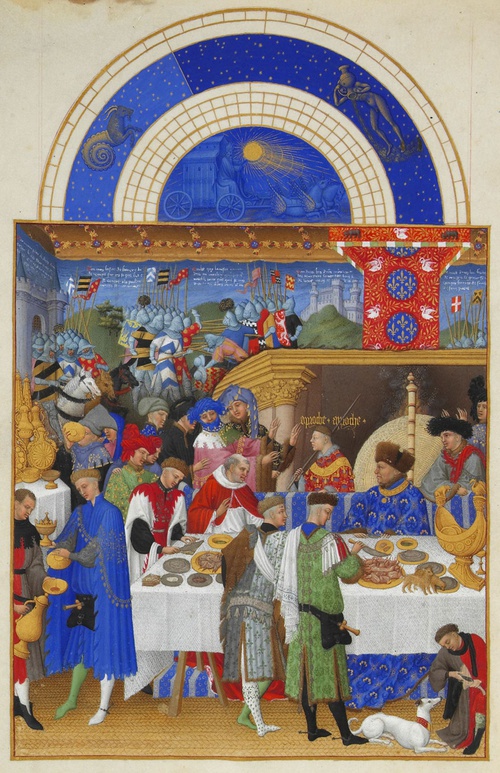
The history of illuminated manuscripts is filled with beauty and intrigue. These hand-written books which were prized throughout Europe, had painted embellishments and often utilized precious metals such as gold and silver. The pages of these miniature works of art were made up of animal skins called vellum. Illuminated manuscripts were produced in Europe between 1100-1600, and often originated from monasteries or were commissioned by wealthy individuals who wanted them for their personal libraries. Between the 13th and 15th centuries, upper class patrons supported the creation of private workshops that flourished primarily in French and Italian cities and their surrounding courts such as Bruges. One has only to look at the masterpiece, "Les Tres Riches Heures du Duc De Berry" by the noted Limbourg Brothers, to understand how amazing and prized these handmade books became. By 1440 however, their popularity began to diminish with the ability to mass produce books with the advent of the printing press. In this docent-led virtual talk, important manuscripts will be discussed along with their influence on the art of the late Medieval and early Renaissance.

Note that you will be muted upon entry and that this talk is being recorded as well as live-streamed. Please save all questions for the end.

✥ ✥ ✥ ✥ ✥
You can find all of our previous Virtual Talks on our Facebook Page (@timkenmuseum). If you would like to support the continuation of our free tours and education programming, please consider donating to the Timken Museum of Art at https://www.timkenmuseum.org/join-support/your-giving/.